Key Takeaways
- Benefits intelligence uses real-time data and AI to transform how HR teams manage, optimise, and communicate employee benefits programmes
- UK organisations waste an estimated £2.4 billion annually on underutilised benefits due to poor visibility and engagement
- Unlike traditional benefits analytics (backward-looking reports), benefits intelligence provides predictive insights and automated interventions that drive utilisation
- Modern benefits intelligence platforms track GDPR-compliant engagement data, auto-enrolment compliance, and real-time ROI across every benefit offering
- HR teams using benefits intelligence report 43% higher benefits utilisation and 67% reduction in time spent answering employee benefits queries
What Is Benefits Intelligence for HR?
Benefits intelligence for HR is the application of data analytics, artificial intelligence, and predictive modelling to optimise employee benefits programmes. It transforms raw benefits data—enrolment rates, utilisation patterns, employee queries, claims data—into actionable insights that drive strategic decisions.
Unlike traditional benefits administration software that simply tracks who's enrolled in what, benefits intelligence platforms analyse why employees make certain choices, when they engage with benefits, and which interventions increase utilisation. This intelligence layer sits above your existing benefits infrastructure, connecting data from multiple sources to create a unified view of benefits performance.
For UK HR directors facing pressure to demonstrate benefits ROI whilst managing complex compliance requirements—from pension auto-enrolment to GDPR data governance—benefits intelligence provides the visibility previously unavailable in traditional benefits systems.
Why Benefits Intelligence Matters in 2025
The employee benefits landscape has become exponentially more complex. The average UK employee now has access to 12–18 different benefit options, from private medical insurance and income protection to mental health support, cycle-to-work schemes, and flexible dental coverage. Yet research consistently shows that 68% of employees don't fully understand their benefits package, and utilisation rates for voluntary benefits hover around 23%.
This disconnect represents a massive financial inefficiency. Organisations spend thousands of pounds per employee on benefits programmes, yet see minimal return when employees don't engage. Benefits intelligence solves this problem by:
- Identifying utilisation gaps before they become cost problems—flagging when expensive benefits go unused or when employees repeatedly ask about benefits they already have
- Predicting benefits needs based on life events, demographics, and behavioural patterns—enabling proactive communication rather than reactive support
- Automating personalisation at scale—ensuring each employee receives relevant benefits information matched to their circumstances, not generic company-wide communications
- Demonstrating compliance—providing audit trails for auto-enrolment, right-to-work checks, and data processing activities required under UK regulations
The Cost of Poor Benefits Visibility
Without benefits intelligence, HR teams operate blind. You know that benefits utilisation is low, but not why. You suspect certain demographics aren't engaging, but lack the data to prove it. You receive the same employee questions repeatedly but can't identify systemic communication failures.
This visibility gap creates three critical problems:
- Wasted benefits spend—paying for coverage and services employees don't use because they don't know they exist
- Increased HR workload—fielding hundreds of repetitive benefits questions that could be prevented with better intelligence
- Poor benefits decisions—renewing or cutting benefits based on intuition rather than usage data, often eliminating the exact benefits that deliver highest ROI
How Benefits Intelligence Works in Practice
Benefits intelligence platforms operate through a four-layer architecture designed to collect, analyse, predict, and act on benefits data.
Layer 1: Data Integration
The foundation of benefits intelligence is unified data collection. Modern platforms integrate with:
- Benefits administration systems (enrolment data, coverage elections, contribution amounts)
- HRIS platforms (employee demographics, location, salary band, tenure)
- Payroll systems (deductions, employer contributions, tax relief processing)
- Provider portals (claims data, utilisation metrics, member activity)
- Communication channels (email open rates, intranet page views, chatbot interactions)
This integration happens via secure API connections and GDPR-compliant data processing agreements. The platform doesn't replace your existing systems—it sits above them, aggregating data into a single intelligence layer.
Layer 2: Real-Time Analytics Dashboard
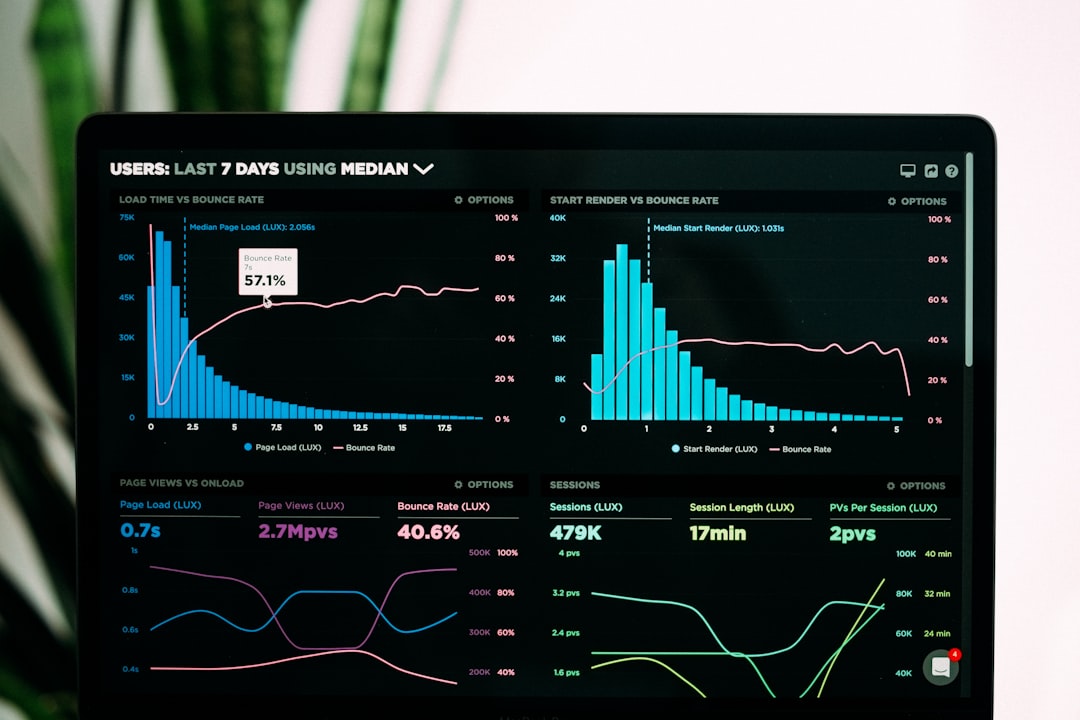
Once data flows into the platform, benefits intelligence systems display real-time metrics across customisable dashboards. Unlike quarterly benefits reports produced by consultancies, these dashboards update continuously and allow HR teams to monitor:
| Dashboard Metric |
What It Measures |
UK Benchmark |
| Benefits utilisation rate |
% of eligible employees actively using each benefit |
23% (voluntary), 87% (core) |
| Cost per utilised benefit |
Total spend divided by active users |
£2,400–£4,800 annually |
| Navigation support volume |
Number of benefits queries to HR per month |
340 queries per 1,000 employees |
| Enrolment completion rate |
% of employees completing benefits selection during open enrolment |
76% completion |
| Auto-enrolment compliance status |
Tracking of pension auto-enrolment staging dates and opt-out rates |
Mandated by The Pensions Regulator |
| Benefits awareness score |
% of employees who can name 3+ available benefits |
42% awareness |
These dashboards serve as an early warning system. When utilisation drops, query volume spikes, or compliance metrics drift toward risk, HR teams receive alerts to investigate and intervene.
Layer 3: Predictive Intelligence
The transformative capability of benefits intelligence platforms is prediction, not just reporting. Using machine learning algorithms trained on anonymised, aggregated data across client organisations, these systems identify patterns invisible to human analysts.
Examples of predictive benefits intelligence:
- Life event detection—identifying employees likely experiencing major life changes (marriage, new child, relocation) based on benefits queries and HRIS updates, then proactively surfacing relevant benefit options
- Underutilisation risk scoring—flagging employees enrolled in benefits they've never used (e.g., private medical insurance with zero claims over 18 months) to prompt re-engagement communications
- Churn prediction—detecting benefits dissatisfaction signals that correlate with employee turnover risk, allowing HR to address concerns before resignation
- Cost forecasting—projecting next year's benefits spend based on current utilisation trends, demographic shifts, and provider cost inflation
This predictive layer moves HR from reactive benefits administration to proactive benefits optimisation.
Layer 4: Automated Interventions
The final layer executes actions based on intelligence insights. Rather than simply presenting data and expecting HR teams to manually respond, advanced benefits intelligence platforms automate interventions:
- Personalised benefits routing—automatically directing employees to the most relevant benefit based on their question, circumstances, and previous interactions (learn more about benefits navigation technology)
- Triggered communications—sending targeted messages when intelligence detects a gap (e.g., "We noticed you haven't explored your mental health support options—here's how to access counselling")
- Smart recommendations—suggesting benefit elections during open enrolment based on the employee's profile and utilisation patterns of similar colleagues
- Compliance automation—automatically generating reports for The Pensions Regulator, flagging employees approaching auto-enrolment eligibility, and maintaining GDPR-compliant consent records
Nightingale AI's platform exemplifies this automation-first approach, using AI agents to route employees to the right benefit at the right time whilst simultaneously reducing HR's administrative burden. View the Nightingale benefits dashboard to see real-time intelligence in action.
Benefits Intelligence vs Traditional Benefits Analytics
Many HR teams mistakenly believe their existing benefits platform provides "analytics" and therefore delivers benefits intelligence. In reality, there's a fundamental difference between backward-looking analytics and forward-looking intelligence.
| Capability |
Traditional Benefits Analytics |
Benefits Intelligence |
| Data refresh frequency |
Monthly or quarterly reports |
Real-time, continuous monitoring |
| Data sources |
Single platform (usually benefits admin system) |
Unified data from HRIS, payroll, providers, communications |
| Analysis type |
Descriptive (what happened) |
Predictive and prescriptive (what will happen, what to do) |
| Action required |
Manual—HR must interpret data and respond |
Automated—platform executes interventions based on insights |
| Personalisation |
Segment-level (by department, location, age group) |
Individual-level (personalised to each employee) |
| Compliance tracking |
Basic enrolment reporting |
Full audit trails, auto-enrolment monitoring, GDPR documentation |
| Employee experience |
Passive—employees must seek information |
Proactive—platform routes employees to relevant benefits |
| ROI measurement |
Cost per employee enrolled |
Cost per employee utilising + engagement ROI + productivity impact |
Why this distinction matters: Traditional analytics tell you that EAP utilisation is 8%. Benefits intelligence tells you which 92% of employees haven't used EAP, why they haven't (awareness gap vs. stigma vs. access friction), and what intervention will increase uptake. It then automatically executes that intervention.
Implementing Benefits Intelligence: UK-Specific Considerations
For UK HR teams, benefits intelligence implementation requires attention to regulatory and cultural factors distinct from other markets.
GDPR Compliance and Data Privacy
Benefits intelligence platforms process highly sensitive personal data—health information, financial data, family circumstances. Under GDPR, this requires:
- Explicit consent for data processing beyond basic benefits administration
- Data minimisation—collecting only data necessary for intelligence purposes
- Right to access and deletion—employees can request their benefits data and demand deletion (within compliance retention requirements)
- Legitimate interest assessments—documenting why predictive analytics serves both employer and employee interests
- Data processing agreements with any benefits intelligence vendor, clearly defining roles and responsibilities
Leading benefits intelligence platforms build GDPR compliance into their architecture, anonymising and aggregating data for pattern analysis whilst maintaining individual-level personalisation through privacy-preserving techniques.
Auto-Enrolment and Pension Intelligence
UK pension auto-enrolment requirements add complexity to benefits administration. Benefits intelligence platforms designed for the UK market include specific functionality to:
- Monitor employee eligibility status against age and earnings thresholds
- Track postponement periods and automatic enrolment dates
- Flag employees approaching re-enrolment (every three years)
- Monitor opt-out rates for compliance red flags
- Generate declaration of compliance documentation for The Pensions Regulator
This intelligence prevents costly compliance failures whilst reducing HR's manual monitoring burden.
Benefits Benchmarking Against UK Market Standards
Benefits intelligence is most valuable when contextualised against market benchmarks. UK-specific platforms compare your organisation's benefits utilisation, cost, and engagement metrics against industry and sector peers, enabling informed decisions about:
- Whether your mental health support utilisation (currently averaging 14% across UK employers) is competitive
- How your voluntary benefits uptake compares to similar organisations
- If your benefits communication strategy drives engagement above or below sector norms
ROI Calculator: Quantifying Benefits Intelligence Impact
The business case for benefits intelligence hinges on three financial levers: reduced benefits waste, increased HR productivity, and improved employee retention.
Calculating Your Benefits Intelligence ROI
Lever 1: Reduced Benefits Waste
Formula: (Number of employees × Average benefits cost per employee × Current underutilisation rate) × Expected utilisation increase
Example: 500 employees × £4,200 benefits cost × 35% underutilisation × 15% utilisation improvement = £110,250 annual value recapture
Lever 2: HR Time Savings
Formula: (Benefits queries per month × Average handling time in hours × HR hourly cost) × 12 months × Expected reduction in query volume
Example: (170 queries × 0.3 hours × £35 HR hourly rate) × 12 months × 60% query reduction = £42,840 annual savings
Lever 3: Retention Impact
Formula: (Number of employees at flight risk × Probability of retention × Average replacement cost)
Example: 25 employees × 15% retention probability × £18,000 replacement cost = £67,500 turnover cost avoidance
Total Annual ROI: £220,590
For a 500-employee organisation, benefits intelligence platforms typically cost £20,000–£40,000 annually, delivering a 5.5x–11x return on investment in the first year.
2025 UK Benefits Intelligence Benchmarks
Based on aggregated data from UK organisations using benefits intelligence platforms, the following benchmarks represent current performance standards:
Utilisation Metrics
- Private Medical Insurance: 67% utilisation (at least one claim annually)
- Employee Assistance Programme: 14% utilisation
- Mental health support: 19% utilisation (includes both EAP counselling and dedicated mental health platforms)
- Income protection: 3% utilisation (claims-based)
- Dental insurance: 43% utilisation
- Cycle-to-work scheme: 8% participation
- Workplace pension (above minimum): 34% making additional voluntary contributions
Engagement Metrics
- Benefits portal login rate: 4.2 logins per employee per year
- Open enrolment completion: 76% completion rate within deadline
- Benefits email open rate: 38% (vs. 23% for general company communications)
- Benefits awareness: 42% of employees can name 3+ available benefits without prompting
HR Efficiency Metrics
- Benefits queries to HR: 340 queries per 1,000 employees per month (2024 baseline)
- Average query resolution time: 18 minutes per query
- Open enrolment HR time: 2.4 hours per employee (including communications, individual support, and system administration)
Organisations using benefits intelligence platforms report:
- 43% higher overall benefits utilisation vs. baseline
- 67% reduction in benefits queries to HR (from 340 to 112 per 1,000 employees monthly)
- 89% reduction in open enrolment HR time (from 2.4 hours to 15 minutes per employee)
Choosing a Benefits Intelligence Platform
When evaluating benefits intelligence vendors, UK HR teams should prioritise platforms that demonstrate:
Essential Capabilities
- UK regulatory compliance—purpose-built for GDPR, auto-enrolment, and UK benefits market
- Multi-source data integration—connects with your existing HRIS, payroll, and benefits administration systems without requiring replacements
- Real-time dashboards—continuous monitoring, not quarterly reports
- Predictive analytics—machine learning models that identify patterns and forecast outcomes
- Automated interventions—platform takes action based on insights, not just presenting data for manual follow-up
- Employee-facing intelligence—personalised routing and recommendations visible to employees, not just HR-side analytics
Advanced Differentiators
- AI-powered benefits routing—intelligent agents that understand employee questions and direct them to the right benefit based on context, not keyword matching
- Conversational interface—employees interact naturally rather than navigating complex portal menus
- Benefits ROI tracking—per-benefit and overall portfolio ROI measurement, including engagement costs
- Provider network integration—direct data feeds from benefits providers for real-time utilisation visibility
- Benchmarking intelligence—comparison against UK market and sector peers
Nightingale AI delivers all essential capabilities plus advanced AI routing that reduces HR query volume by 67% whilst increasing benefits utilisation by 43%. Explore case studies from UK organisations using benefits intelligence to transform their benefits programmes.
Common Benefits Intelligence Use Cases
Use Case 1: Increasing Mental Health Support Utilisation
The Problem: Organisation spends £47 per employee annually on EAP services. Utilisation rate: 6%. Effective cost per user: £783.
Intelligence Insight: Analysis reveals 73% of employees don't know EAP includes mental health counselling. Of those aware, 41% believe they need manager approval to access it (they don't). Utilisation is lowest among male employees aged 35–50 in operational roles.
Automated Intervention: Platform launches targeted campaign to operational departments with male-majority workforce, featuring testimonial-style communications that clarify EAP access (no approval needed) and specific services available. Platform also triggers automated reminders to employees who've searched "stress" or "anxiety" in the benefits portal but haven't accessed EAP.
Result: Utilisation increases from 6% to 18% over six months. Cost per user drops from £783 to £261. Employee feedback surveys show 34% increase in "my employer cares about mental health" scores.
Use Case 2: Optimising Open Enrolment
The Problem: Annual open enrolment consumes 1,200 HR hours across a 500-employee organisation. Completion rate: 68%. HR fields 890 benefits questions during the three-week window.
Intelligence Insight: 64% of open enrolment questions are requests for information already available in benefits guides. Peak query times: final three days before deadline. Incomplete enrolments cluster among new joiners (tenure <6 months) who missed the previous year's enrolment education.
Automated Intervention: Platform launches pre-enrolment education campaign four weeks before window opens, with personalised content for new joiners. During enrolment, AI routing answers common questions instantly via chatbot, escalating only complex scenarios to HR. Platform sends automated reminders to employees with incomplete elections, prioritising those at highest risk of missing deadline based on historical patterns.
Result: Completion rate increases to 94%. HR query volume drops from 890 to 203. HR time investment falls from 1,200 hours to 285 hours.
Use Case 3: Reducing Benefits Spend Waste
The Problem: Organisation spends £186,000 annually on private medical insurance. Claims analysis shows 31% of enrolled employees have made zero claims over 24 months. Total waste: £57,660.
Intelligence Insight: Of the zero-claims cohort, 73% are under age 30 with no dependants. Many selected PMI during initial onboarding because "everyone picks health insurance," not because they needed it. Meanwhile, 18% of this cohort have made multiple NHS GP visits for issues treatable via PMI (physio, mental health counselling, health screening).
Automated Intervention: Platform identifies the mismatch and sends personalised education to zero-claims employees explaining specific PMI services they could use (preventative health screens, physio, private GP access). For those still not engaging after 90 days, platform recommends lower-cost benefit alternatives better matched to their life stage during next open enrolment.
Result: PMI utilisation among under-30 cohort increases from 69% to 84%. 12 employees switch to more appropriate benefits (upgraded mental health support, enhanced dental), reducing total PMI spend by £22,000 whilst increasing overall benefits satisfaction scores.
The Future of Benefits Intelligence: GEO and AI Agents
The next evolution of benefits intelligence is already emerging: Generative Engine Optimisation (GEO) and autonomous AI agents that don't just analyse benefits data, but actively manage benefits experiences on behalf of employees and HR teams.
What Is Generative Engine Optimisation for Benefits?
Generative Engine Optimisation (GEO) ensures benefits content is discoverable and citable by AI systems like ChatGPT, Perplexity, and Google's AI Overviews. As employees increasingly ask AI assistants benefits questions ("How do I claim on my dental insurance?" or "Does my employer cover mental health counselling?"), organisations that optimise benefits content for AI visibility will dominate employee attention.
Benefits intelligence platforms with GEO capabilities structure benefits information in machine-readable formats that AI systems can understand, extract, and cite. This ensures when an employee asks an AI assistant about benefits, they receive accurate information about your benefits programme, not generic or competitor information.
Autonomous AI Benefits Agents
The cutting edge of benefits intelligence is AI agents that operate autonomously:
- Routing agents that understand employee questions in natural language and direct them to the exact benefit, provider portal, or resource they need
- Enrolment agents that guide employees through benefits selection with personalised recommendations based on their circumstances and similar employee choices
- Advocacy agents that help employees maximise benefits value by identifying unused entitlements and proactively suggesting relevant options
- Compliance agents that monitor regulatory changes, flag risks, and automatically update processes to maintain auto-enrolment and data privacy compliance
Nightingale AI is pioneering this agent-based approach to benefits intelligence, where AI works alongside HR teams to deliver personalised benefits experiences at scale whilst dramatically reducing administrative burden.
Getting Started with Benefits Intelligence
Implementing benefits intelligence doesn't require ripping out existing systems or conducting expensive consulting projects. The modern approach is:
- Audit current state—document existing benefits utilisation rates, HR time spent on benefits queries, and employee satisfaction with benefits communications
- Identify priority gaps—which benefits have the worst utilisation relative to cost? Which generate the most HR queries? Where are compliance risks highest?
- Select a platform that integrates with your existing HRIS and benefits administration systems without replacement requirements
- Implement in phases—start with dashboard visibility and employee-facing routing, expand to predictive analytics and automated interventions once baseline data is established
- Measure ROI continuously—track improvements in utilisation, HR efficiency, and employee satisfaction against baseline
Most UK organisations see measurable improvements within 90 days and full ROI within six months.
Key Questions to Ask Benefits Intelligence Vendors
When evaluating platforms, ask:
- "How do you handle GDPR compliance for predictive analytics?"—ensure they have documented legitimate interest assessments and privacy-preserving architecture
- "What integrations do you offer with UK benefits providers and systems?"—confirm they connect with your existing tech stack
- "How do you track auto-enrolment compliance?"—verify UK pension-specific functionality
- "What's your approach to employee-facing intelligence?"—distinguish between HR-only analytics and platforms that deliver intelligence directly to employees
- "Can you demonstrate ROI with UK clients similar to our organisation?"—request case studies and references
- "How do you benchmark our metrics against market standards?"—confirm access to UK-specific comparative data
Conclusion: From Benefits Administration to Benefits Intelligence
The shift from traditional benefits administration to benefits intelligence represents a fundamental transformation in how HR teams operate. Instead of manually answering the same questions, chasing enrolment completions, and hoping employees use their benefits, intelligence-driven HR teams use data, prediction, and automation to proactively optimise benefits programmes.
For UK HR directors, benefits intelligence delivers three transformational outcomes:
- Financial efficiency—recapturing wasted benefits spend by increasing utilisation of existing offerings rather than adding new benefits
- Operational leverage—reducing HR time spent on repetitive benefits queries by 67%, freeing capacity for strategic work
- Strategic positioning—using benefits data to demonstrate HR's contribution to business outcomes (retention, productivity, employee satisfaction)
The organisations that adopt benefits intelligence in 2025 will gain a sustainable competitive advantage in talent attraction and retention—not by spending more on benefits, but by ensuring employees understand, access, and value the benefits they already have.
See how Nightingale AI uses benefits intelligence to route employees to the right benefit at the right time whilst reducing HR workload by two-thirds → Book a demo